We help improve and manage your business credit rating effectively.
Debt Syndication
We arrange optimal funding through strategic multi-lender debt structuring.
Strategy Business
Guiding businesses with data-driven strategies for sustainable growth.
Capital Solutions
Unlock new funding sources with tailored alternative capital solutions.
Mergers & Acquisitions
Expert guidance for seamless business mergers and strategic acquisitions.
Investor Relations
Building trust and transparency with your current and future investors.
LEADING WITH FINANCIAL EXPERTISE
Grow Your Finances with Confidence
At AARP Group, we provide strategic financial solutions designed to help businesses grow confidently and sustainably. From credit advisory to capital raising, our expert team ensures every move you make is backed by insight, trust, and proven results. Let us handle the complexities—so you can focus on growth with true peace of mind.
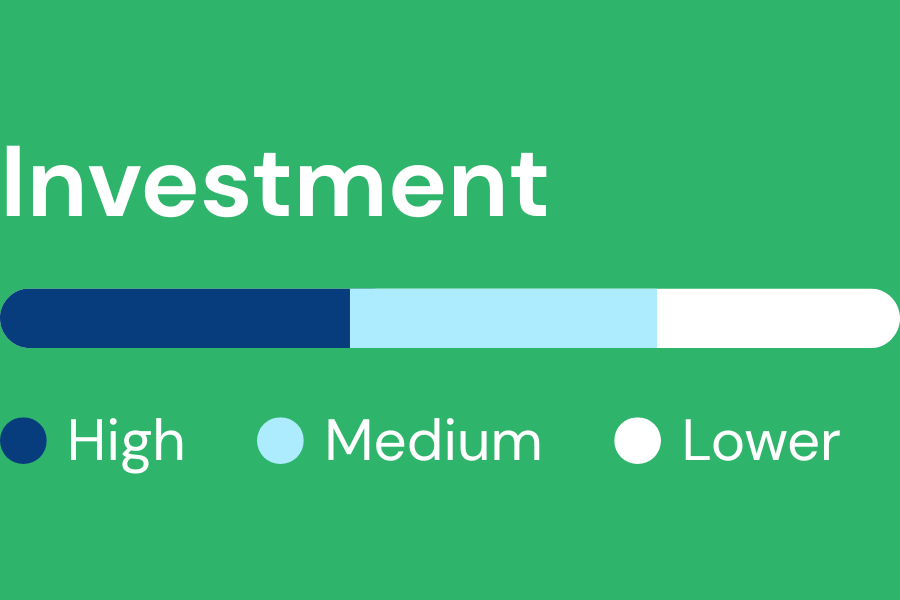
At AARP Group, we approach investments with a balance of insight and innovation. Our team analyzes market trends, client risk profiles, and long-term goals to design portfolios that deliver consistent returns. Whether you’re scaling operations or building long-term wealth, our investment strategies are built for resilience and growth.
Financial efficiency starts with knowing where your marketing dollars go. We help businesses assess, control, and optimize their marketing spend to ensure every rupee delivers measurable ROI. From channel audits to performance benchmarks, we bring clarity and cost-effectiveness to your marketing strategies.
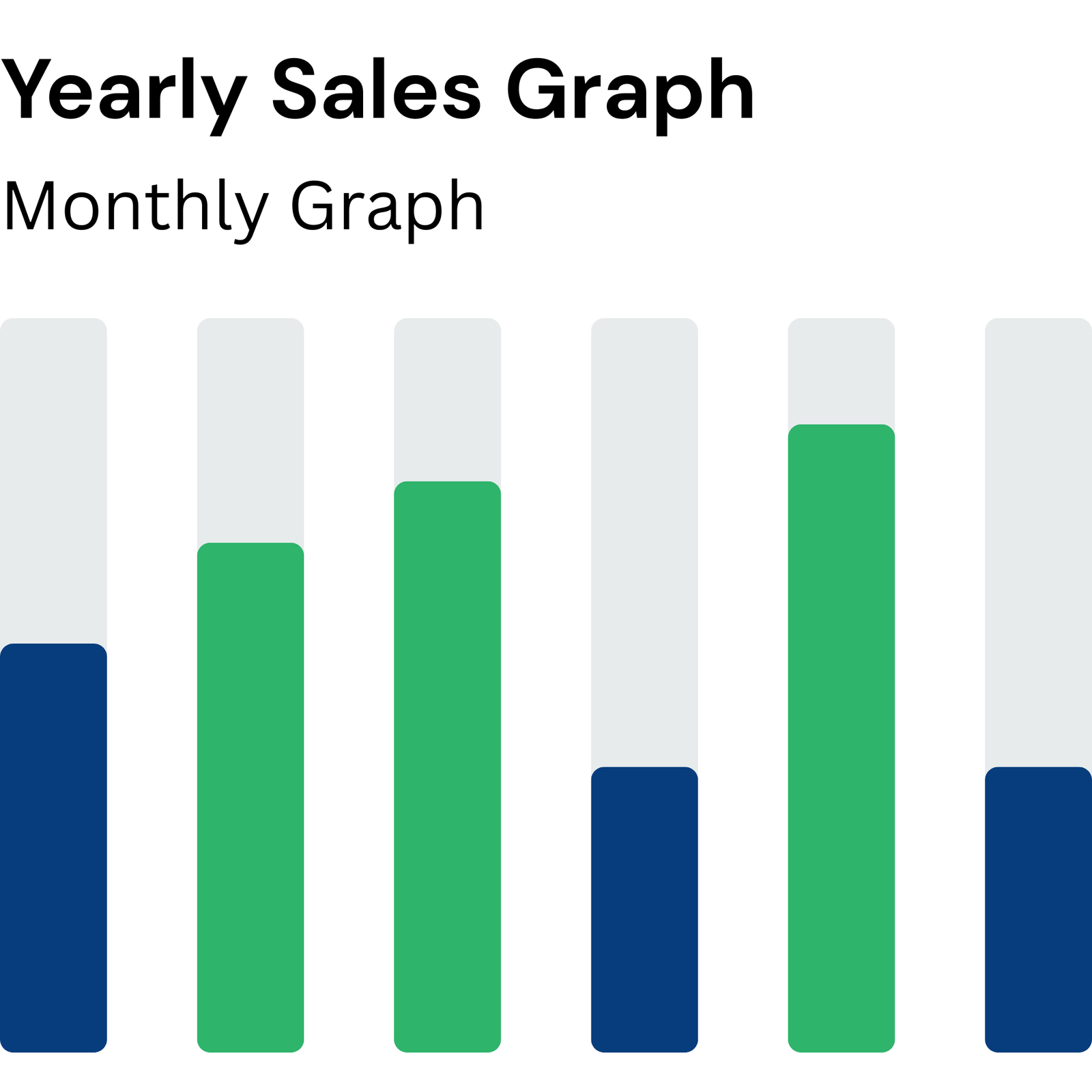
Data is the foundation of smart financial planning. Our analytics services turn complex financial data into actionable insights—helping you forecast risks, identify growth opportunities, and streamline operations. With AARP Group, you make decisions with confidence and clarity.
Tailored Financial Strategies
Expert Advisory Team
Data-Driven Results
End-to-End Financial Support
Proven Industry Expertise
Guiding You Every Step of the Way
Streamlined Processes. Proven Results. No Guesswork.
STEP
01
STEP
02
STEP
03
STEP
04
Initial Consultation
We begin by understanding your business goals, challenges, and financial landscape.
Strategy Planning
Our experts craft a tailored financial strategy aligned with your objectives.
Plan Execution
We execute the plan with precision, refining processes for maximum impact.
Ongoing Growth
You see measurable outcomes, with ongoing support to scale further.
STEP
01
Initial Consultation
We begin by understanding your business goals, challenges, and financial landscape.
STEP
02
Strategy Planning
Our experts craft a tailored financial strategy aligned with your objectives.
STEP
03
Plan Execution
We execute the plan with precision, refining processes for maximum impact.
STEP
04
Ongoing Growth
You see measurable outcomes, with ongoing support to scale further.
AARP Group transformed our entire financial strategy. Their insights helped us secure funding faster and scale without stress. Truly a game-changer for our business.
Rohan Mehta
We were struggling with credit issues and investor communication. AARP’s expert team simplified everything — now we operate with confidence and clarity.
Neha Kulkarni
From debt syndication to long-term planning, AARP Group delivered results beyond expectations. Their professionalism and strategic mindset are unmatched.