
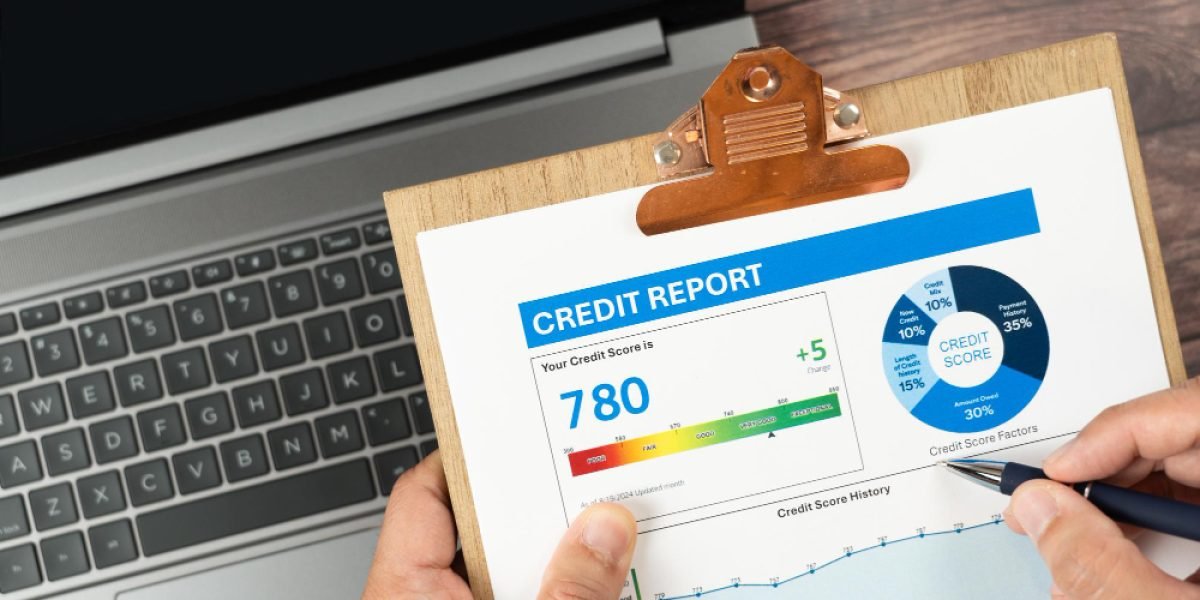
What Is Credit Monitoring & Why You Need It Now!
Maintaining a strong and credible financial profile is just as important as managing profits or operations. One of the most effective ways to stay financially secure and credible in the eyes of lenders and investors is through Credit Monitoring.
Credit Monitoring is more than just a financial term it is a strategic approach to understanding and managing how your organization is viewed by banks, credit rating agencies, and financial institutions. For companies seeking growth, stability, and improved funding opportunities, this is an essential practice that ensures financial readiness at all times.
At AEBITDA Corporate Advisors, founded by CA Rahul Patankar and CA Ankita Patankar, we believe that a business’s financial reputation is one of its greatest assets. With over 25 years of combined experience in credit rating advisory, debt syndication, project evaluation, and financial intelligence, our mission is to help businesses enhance their creditworthiness and secure better financial outcomes.
What Exactly Is Credit Monitoring?
In simple terms, Credit Monitoring means keeping track of your company’s credit profile on an ongoing basis. It involves closely observing your financial ratios, repayment patterns, and credit reports to ensure that there are no negative surprises when it comes to credit evaluation.
For a business, Credit Monitoring works like a financial dashboard it tells you where you stand, what areas need attention, and how your financial decisions are impacting your credit score. This proactive approach allows you to correct issues before they affect your credit rating or borrowing capability.
When you monitor your credit regularly, you’re not just protecting your financial reputation you’re building a strong foundation for better negotiation with lenders, investors, and rating agencies.
Why Credit Monitoring Is So Important
Credit Monitoring is not just for times of crisis; it’s a continuous process that ensures long-term financial health. The benefits extend far beyond score tracking and can directly influence how your business is perceived in the financial market.
Here’s why Credit Monitoring matters:
- Early Detection of Problems: You can identify discrepancies, delayed payments, or sudden ratio changes before they impact your credit rating.
- Better Financial Control: Regular monitoring enforces discipline in maintaining accurate records and timely compliance.
- Improved Negotiation Power: Knowing your credit position allows you to negotiate better interest rates and funding terms.
- Transparency for Stakeholders: Regular reviews build confidence among lenders, investors, and business partners.
Simply put, Credit Monitoring keeps you financially alert. It helps you anticipate challenges, plan strategically, and maintain credibility in a dynamic financial environment.
Tips to Strengthen Your Credit Monitoring Process
Monitoring your credit efficiently requires a structured approach. Below are a few practical tips every business should follow to get the most out of their Credit Monitoring efforts:
Tip 1: Keep Financial Statements Updated
Ensure that your balance sheets, profit-and-loss accounts, and other financial statements are always current and accurate. Rating agencies and banks rely heavily on the quality of your financial data. Incomplete or delayed reporting can negatively affect your credit profile.
Tip 2: Track Key Financial Ratios
Regularly review important ratios like debt-to-equity, interest coverage, and liquidity. Even small changes in these indicators can reflect a major shift in your financial stability. Credit Monitoring helps you stay alert to such movements.
Tip 3: Review External Credit Reports
Obtain your credit rating reports periodically and study the observations carefully. They provide valuable insights into how agencies assess your strengths and weaknesses.
Tip 4: Anticipate Credit Review Cycles
Financial institutions and rating agencies conduct periodic reviews. Stay ready by updating forecasts, addressing earlier remarks, and strengthening areas of concern before evalgghcvcvvcfguations begin.
Tip 5: Get Professional Support
Credit evaluation is a specialized domain. Working with experienced financial advisors can help you interpret complex reports, identify improvement areas, and prepare strategically for credit reviews.
How AEBITDA Corporate Advisors Can Help
At AEBITDA Corporate Advisors, we simplify the process of Credit Monitoring by offering complete support from assessment to improvement planning.
- Insider Expertise: Our team includes former credit rating professionals who understand how agencies think, evaluate, and score.
- End-to-End Support: From financial documentation to rating coordination, we manage the entire credit journey for you.
- Shadow Rating Advantage: Our shadow rating service helps predict potential outcomes, align expectations, and minimize rating rejections.
With our hands-on approach, businesses can transform their Credit Monitoring efforts into a proactive financial strategy that drives growth and confidence.
The Long-Term Advantage of Credit Monitoring
Businesses that take Credit Monitoring seriously are better prepared to navigate market uncertainties, secure funding, and maintain strong relationships with lenders. Over time, consistent monitoring strengthens financial discipline, ensures credibility, and protects against surprises that could hurt your rating or reputation.
In essence, Credit Monitoring isn’t just a financial habit it’s a strategic advantage. With the right guidance and structure, it can help your business grow stronger, more stable, and ready for every opportunity that comes its way.
Frequently Asked Questions
What exactly is credit monitoring?
Credit monitoring is a continuous process that tracks changes in your credit reports, such as new loan inquiries, credit card applications, or changes in repayment behavior. It helps identify potential risks or inaccuracies that may affect your credit profile.
Why is credit monitoring important for businesses?
For businesses, credit monitoring ensures that their financial credibility remains strong. It helps identify early warning signs of potential financial stress, maintain a healthy credit rating, and improve access to better funding options.
Can credit monitoring prevent fraud or identity theft?
Yes. Continuous credit monitoring alerts you to any unusual activity, such as unauthorized loan applications or sudden credit score changes, helping prevent fraud or identity misuse before it causes serious harm.
Final Thoughts
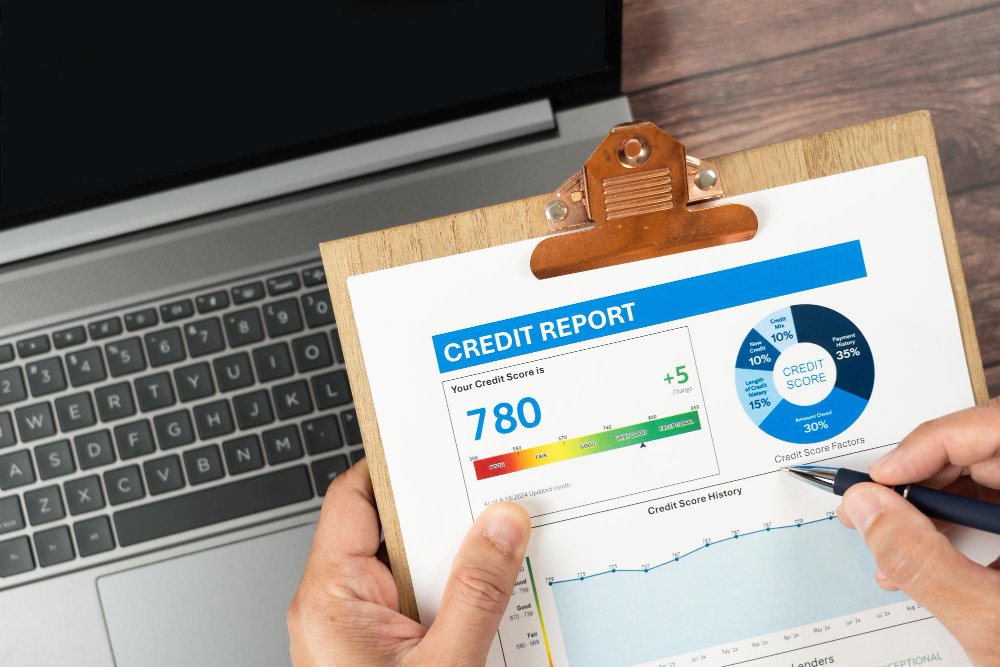
In an era where financial reputation defines opportunity, Credit Monitoring has become a business necessity rather than an option. It empowers organizations to maintain financial clarity, avoid unpleasant surprises, and present a strong, credible face to lenders and investors. By consistently tracking and improving credit performance, companies can secure better funding terms, stronger ratings, and long-term growth.
At AEBITDA Corporate Advisors, we help businesses transform Credit Monitoring from a routine task into a strategic tool for financial success. With the right insights, expert guidance, and proactive approach, you can not only protect your credit health but also use it to unlock greater stability, confidence, and business opportunities.
Image Reference: Freepik
Disclaimer: All trademarks, logos, and brand names are the property of their respective owners. All company, product, and service names used in this website are for identification purposes only. Use of these names, trademarks, and brands does not imply endorsement.