
Credit Rating vs Credit Score: What’s the Difference?
In today’s financial ecosystem, terms like credit rating and credit score are often used interchangeably. However, understanding credit rating vs credit score is essential for businesses and individuals who want to manage their financial credibility effectively. While both relate to creditworthiness, they serve different purposes, follow different evaluation methods, and influence financial decisions in distinct ways.

For businesses seeking structured funding or individuals applying for loans, knowing the difference between credit rating vs credit score can help avoid confusion and improve financial outcomes.
Understanding Credit Rating vs Credit Score
At a basic level, credit rating vs credit score represents two separate systems used to evaluate financial reliability. A credit score is typically assigned to individuals, while a credit rating is given to businesses, corporations, or financial instruments.
A credit score is a numerical value that reflects an individual’s credit behaviour. In contrast, a credit rating is a detailed assessment of a company’s ability to meet its financial obligations over time.
This distinction is the foundation of understanding credit rating vs credit score.
What Is a Credit Score?
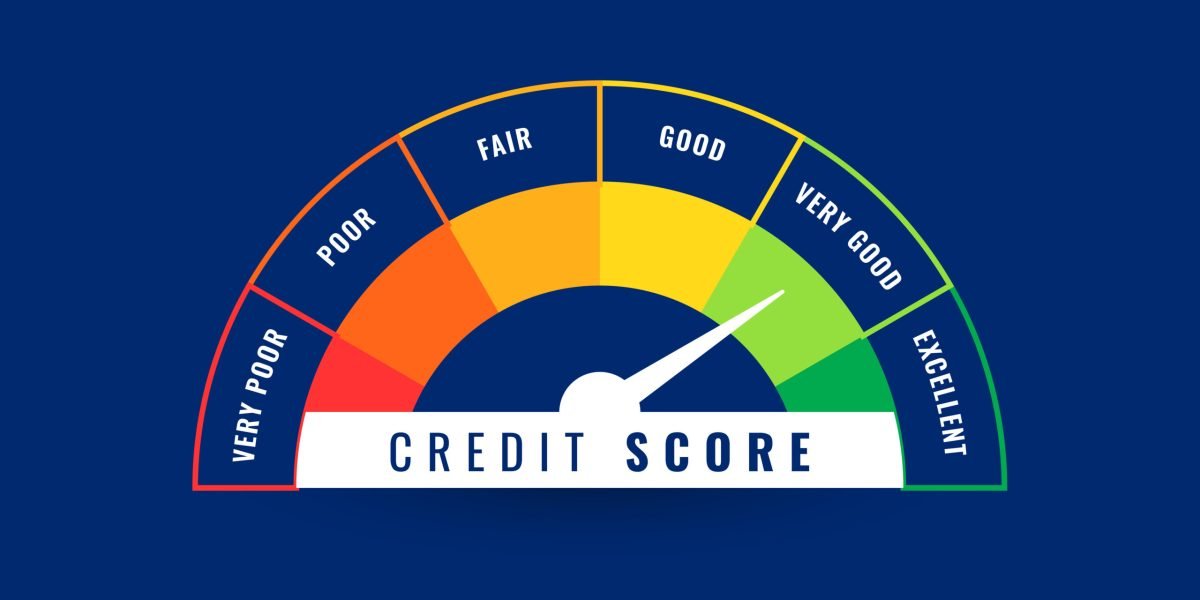
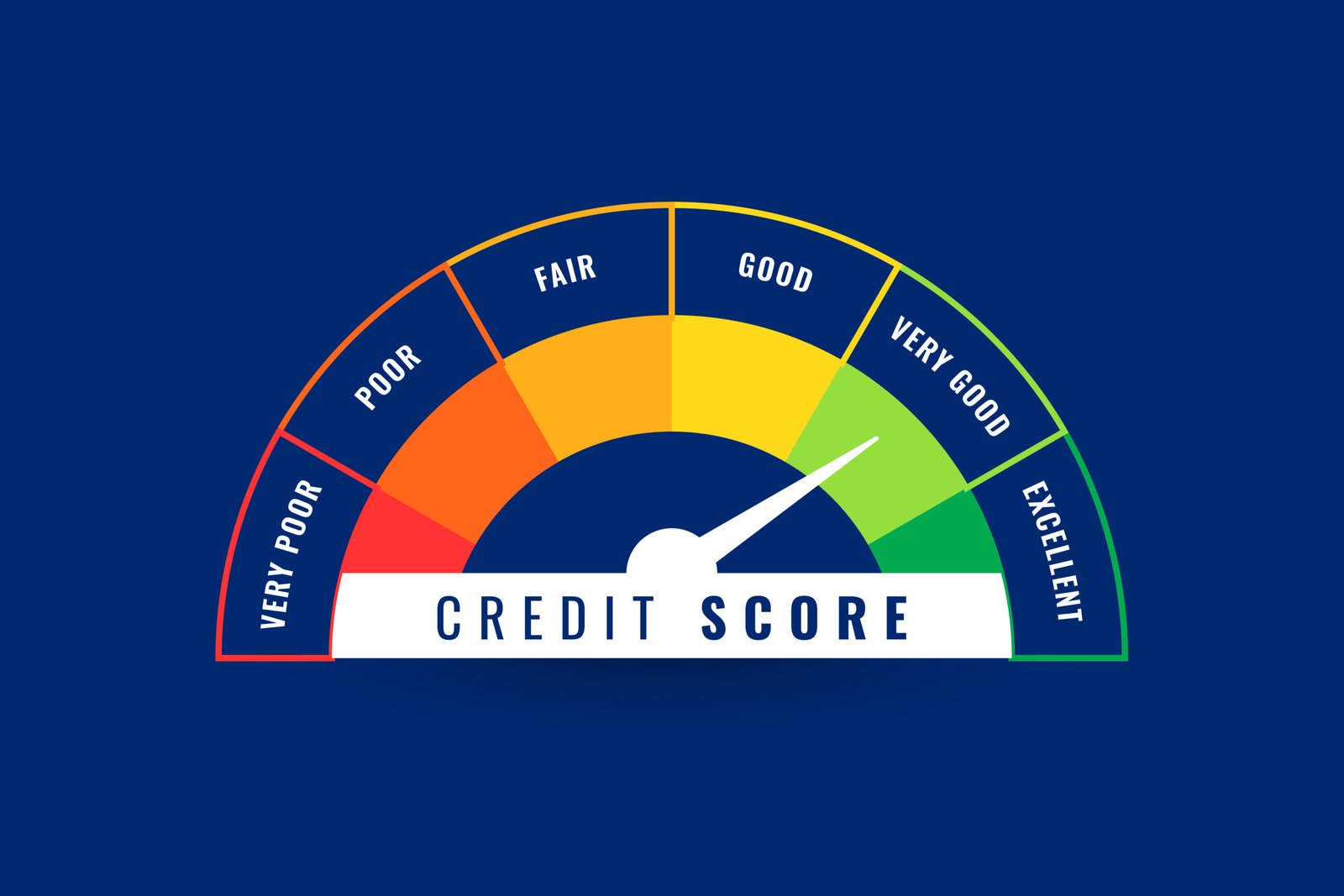
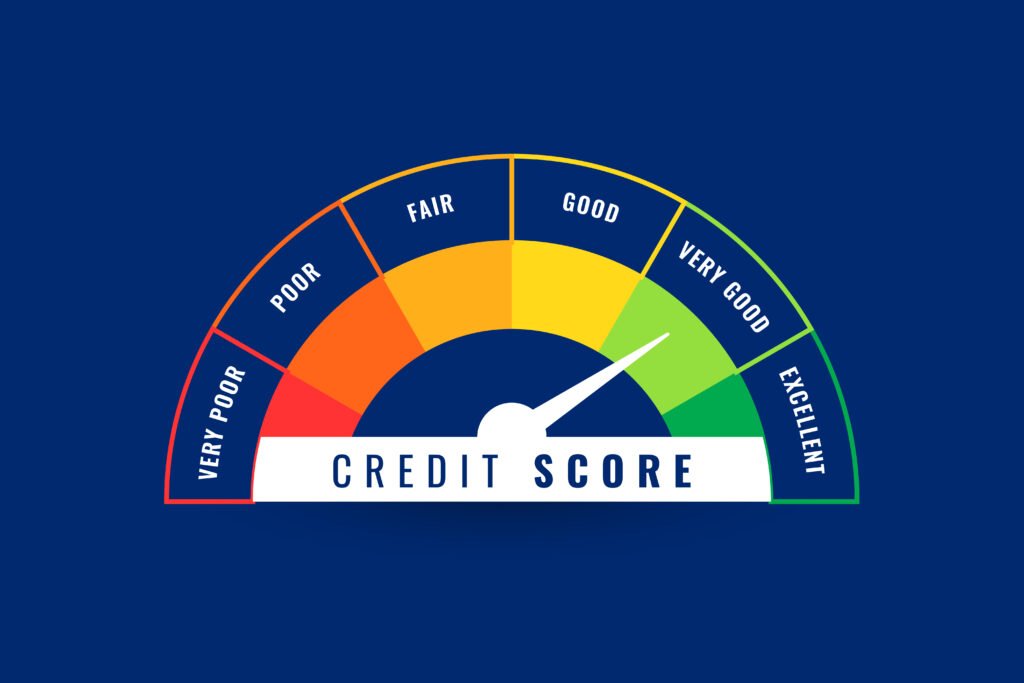
A credit score is a three-digit number that indicates an individual’s creditworthiness. It is based on factors such as:
- Repayment history
- Credit utilisation
- Length of credit history
- Types of credit used
Lenders use this score to quickly evaluate whether an individual is likely to repay a loan. In the context of credit rating vs. credit score, the credit score is more automated and data-driven, focusing mainly on past behaviour.
What Is a Credit Rating?
A credit rating, on the other hand, is a more comprehensive evaluation. It is assigned to businesses and reflects their financial strength and repayment capacity. When comparing a credit rating vs a credit score, a credit rating involves both quantitative and qualitative analysis.
Credit rating agencies assess:
- Financial performance
- Cash flow stability
- Debt levels
- Industry risk
- Management quality
This factor makes the credit rating process more detailed and strategic compared to a credit score.
Key Differences Between Credit Rating vs Credit Score
Understanding the practical differences between credit rating vs credit score helps clarify their roles in financial decision-making.
- Scope of Evaluation
- Credit score applies to individuals
- Credit rating applies to businesses and institutions
- Method of Assessment
- Credit score is algorithm-based
- Credit rating involves expert analysis and committee decisions
- Depth of Analysis
- Credit score focuses on historical credit behaviour
- Credit rating evaluates financials, operations, and future outlook
- Usage
- Credit score is used for personal loans and credit cards
- Credit rating is used for corporate loans, bonds, and institutional funding
These differences highlight why credit rating vs credit score should not be treated as the same concept.
Why the Difference Matters
The distinction between credit rating vs credit score becomes important when businesses plan to raise capital or individuals apply for loans.
For individuals, a strong credit score ensures faster loan approvals and better interest rates. A strong credit rating builds institutional confidence and opens access to structured financing for businesses.
Misunderstanding credit rating vs credit score can lead to poor financial planning. For example, a company may assume that strong revenues are enough, while ignoring the need for a structured credit rating.
Impact on Funding and Financial Strategy
In the discussion of credit rating vs credit score, their impact on funding is significant. A high credit score can help individuals secure personal loans quickly. Meanwhile, a strong credit rating can enable businesses to:
- Access larger credit limits
- Negotiate better borrowing terms
- Attract institutional investors
For companies, the credit rating often becomes a long-term strategic asset. This makes understanding credit rating vs credit score crucial for financial planning.
The Role of Preparation
Preparation plays a key role in both aspects of credit rating vs credit score. Individuals can improve their credit score by maintaining repayment discipline and managing credit usage.
Businesses, however, require a more structured approach. Preparing for a credit rating involves:
- Financial documentation alignment
- Debt management
- Cash flow optimisation
- Risk assessment
This difference in preparation further emphasises the gap between credit rating vs credit score.
Professional Advisory and Strategic Advantage
While individuals can manage their credit score independently, businesses often benefit from professional guidance when dealing with credit rating vs credit score, especially on the rating side.
Advisory firms like AEBITDA Corporate Advisors help businesses:
- Understand rating methodologies
- Identify financial gaps
- Align documentation with agency expectations
This strategic approach ensures that companies are not misrepresented during the evaluation process.
Frequently Asked Questions
What is the difference between credit rating vs credit score?
The key difference in credit rating vs credit score is that a credit score is generally assigned to individuals, while a credit rating is given to businesses, corporations, or financial instruments. A credit score reflects personal borrowing behaviour, whereas a credit rating evaluates business financial strength and repayment capacity.
Is credit rating vs credit score the same thing?
No, credit rating vs credit score are not the same. Although both measure creditworthiness, they apply to different entities and use different evaluation methods. A credit score is numerical and algorithm-based, while a credit rating involves detailed financial analysis and expert assessment.
Why is understanding credit rating vs credit score important?
Understanding credit rating vs credit score helps individuals and businesses make informed financial decisions. It ensures that borrowers know what lenders evaluate and how they can improve their financial credibility.
Final Advisory
The debate over credit rating vs credit score is not about which is more important, but about understanding their distinct roles. A credit score reflects an individual’s financial behaviour, while a credit rating represents a business’s overall financial strength and credibility.
Both are essential in their respective contexts. However, businesses aiming for long-term growth must focus on building and maintaining a strong credit rating, as it directly influences funding opportunities and institutional trust.
By clearly understanding credit rating vs credit score, companies and individuals can make smarter financial decisions and position themselves for sustainable success.
Image Reference: Freepik
Disclaimer: All trademarks, logos, and brand names are the property of their respective owners. All company, product, and service names used in this website are for identification purposes only. Use of these names, trademarks, and brands does not imply endorsement.