
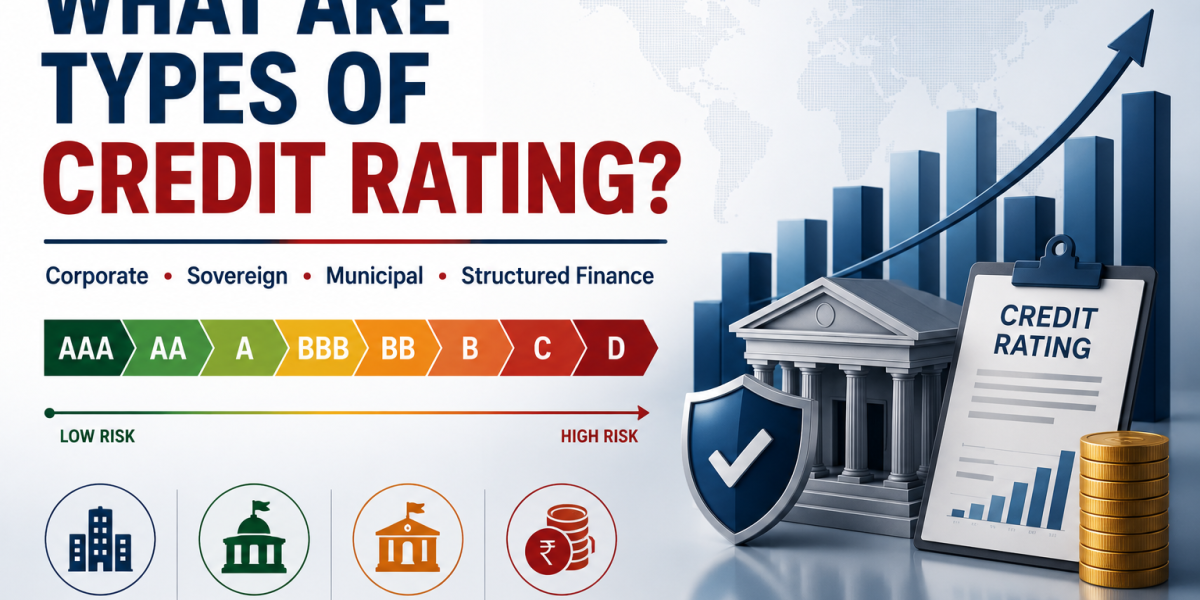
Types of Credit Rating | Understand Credit Risk Better | AEBITDA
Trust is a vital element in lending and investment decisions in the modern financial world. Before they lend money, buy a bond or finance a business, lenders and investors want to know one important thing: Can the borrower pay them back? This is where ratings come into play.

Credit ratings are a financial report card that help to determine the creditworthiness of a borrower. A credit rating is a separate assessment of financial strength and capacity to repay, whether it be a corporation, government, financial institution or municipal authority.
However, not all credit ratings are the same. Different types of evaluation are required for different borrowers and financial instruments. Awareness of the different types of credit rating can help businesses, investors and lenders make improved financial decisions.
What Is a Credit Rating?
A credit rating is an independent opinion regarding the ability of a borrower to meet its financial obligations on time. It reflects the likelihood that interest payments and principal repayments will be made according to agreed terms.
Credit rating agencies analyse several factors before assigning a rating, including:
- Financial performance
- Cash flow stability
- Existing debt levels
- Business outlook
- Industry conditions
- Management quality
- Economic environment
The outcome is usually expressed through a rating scale ranging from high-grade ratings that indicate strong repayment capacity to lower ratings that reflect higher levels of risk.
Why Credit Ratings Matter
Credit ratings play an important role in the financial ecosystem. They help lenders assess risk and enable investors to compare different investment opportunities.
A strong credit rating can help organisations:
- Access funding more easily
- Negotiate lower borrowing costs
- Build investor confidence
- Improve market credibility
At the same time, investors use credit ratings to evaluate whether an investment aligns with their risk tolerance and financial objectives.
Major Types of Credit Rating
While the purpose of all credit ratings is to assess repayment ability, ratings are classified into several categories based on the borrower or financial instrument being evaluated.
1. Corporate Credit Rating
A corporate credit rating is an assessment of the financial strength of a business organisation. It examines the company’s ability to pay back loans, bonds, debentures and other debt obligations.
When assigning a corporate credit rating, agencies typically examine:
- Revenue performance
- Profitability
- Cash flow generation
- Debt servicing capability
- Competitive position
- Management effectiveness
When banks, investors, and financial institutions evaluate funding requests, they widely use corporate credit ratings.
2. Sovereign Credit Rating
A sovereign credit rating assesses the creditworthiness of a national government.
Governments borrow money to finance infrastructure projects, public programmes, and economic development initiatives. Sovereign ratings help investors understand the level of risk associated with lending to a particular country.
Factors considered include:
- Economic growth
- Fiscal discipline
- Political stability
- Government debt levels
- Foreign exchange reserves
Sovereign ratings often influence foreign investment decisions and borrowing costs at the national level.
3. Bank Loan Rating
A bank loan rating evaluates the risk associated with specific loan facilities provided by financial institutions.
Lenders use these ratings to determine the likelihood that borrowers will repay their obligations according to agreed schedules.
The assessment generally considers:
- Financial health of the borrower
- Cash flow position
- Industry risk
- Existing debt obligations
- Repayment history
Bank loan ratings assist lenders in managing risk and determining appropriate lending terms.
4. Municipal Credit Rating
Municipal CR are assigned to local government bodies such as municipalities and urban development authorities.
These entities often raise funds to finance public infrastructure projects, including roads, water systems, transportation networks, and civic facilities.
The rating process evaluates:
- Revenue generation capability
- Budget management
- Financial sustainability
- Administrative efficiency
- Debt repayment capacity
A strong municipal rating can improve access to capital for public development projects.
5. Structured Finance Rating
Structured finance ratings apply to financial products created by pooling various assets together.
Examples include:
- Asset-backed securities
- Mortgage-backed securities
- Receivable-backed instruments
Unlike traditional debt instruments, these products derive value from underlying financial assets.
Rating agencies assess the following:
- Asset quality
- Cash flow predictability
- Default risk
- Structural safeguards
These ratings help investors understand the risks associated with complex financial products.
Investment-Grade vs. Speculative-Grade Ratings
In addition to the different categories of ratings, they are often grouped into two broad classifications.
Investment Grade
Investment-grade ratings indicate strong financial strength and a relatively low risk of default.
Borrowers with investment-grade ratings generally enjoy:
- Lower borrowing costs
- Greater investor confidence
- Easier access to capital markets
These ratings are often preferred by conservative investors seeking stability.
Speculative Grade
Speculative-grade ratings indicate higher risk.
While these investments may offer higher returns, they also carry a greater possibility of repayment challenges.
Investors considering speculative-grade instruments should carefully evaluate their risk appetite before investing.
Credit Rating Scales Explained
Most rating agencies use a similar rating framework.
Common rating categories include:
AAA – Highest level of financial strength and repayment capability
AA – Very strong ability to meet financial commitments
A – Strong financial position with moderate sensitivity to economic changes
BBB – Adequate repayment capacity but subject to greater business risks
BB and Below – Higher risk categories with increasing levels of uncertainty
D – Indicates default or failure to meet repayment obligations
Although the symbols may vary slightly among agencies, the underlying purpose remains the same: measuring credit risk.
Credit Rating Agencies in India
Several recognised agencies provide credit rating services in India.
Some of the leading agencies include:
- CRISIL
- ICRA
- CARE Ratings
- India Ratings & Research
- Acuité Ratings & Research
- Brickwork Ratings
- INFOMERICS Valuation and Rating
These organisations analyse financial data and assign ratings that help lenders, investors, and businesses make informed decisions.
How AEBITDA Supports Businesses
Understanding CR is only one part of the financial journey. Businesses must also position themselves effectively to achieve stronger ratings and improved funding access.
AEBITDA helps organisations assess financial performance, strengthen credit profiles, improve funding readiness, and navigate credit evaluation processes. Through strategic advisory services, businesses can identify areas for improvement and build stronger financial credibility.
Frequently Asked Questions
What is a credit rating?
A credit rating is an independent assessment of a borrower’s ability to meet financial obligations and repay debt on time.
What is a corporate credit rating?
A corporate credit rating evaluates the financial strength and repayment capability of a business or corporation.
What is a sovereign credit rating?
A sovereign credit rating assesses the creditworthiness of a country's government and its ability to repay debt.
Final Thoughts
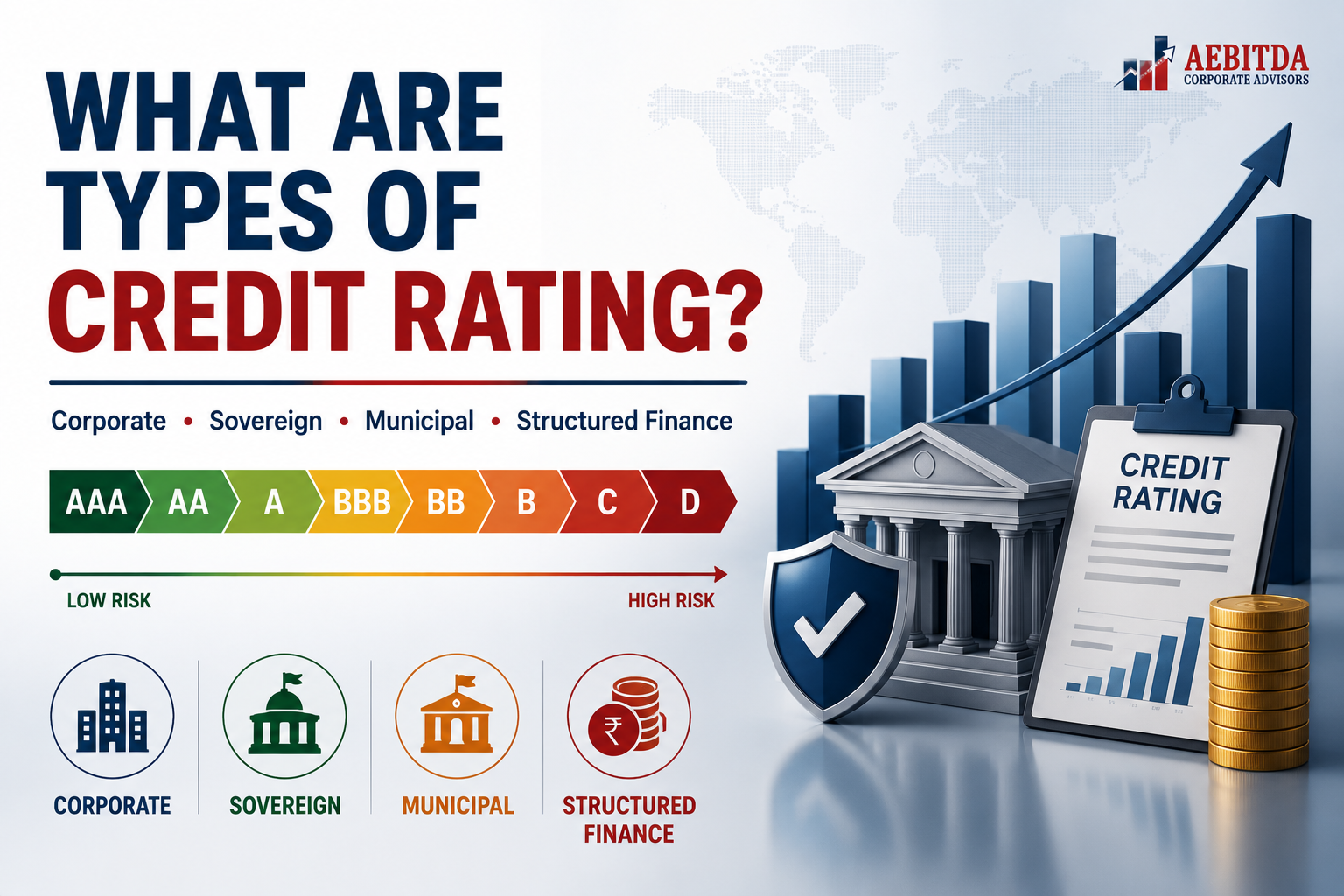
Ratings are an important part of modern finance. They are an independent way of judging financial strength and ability to repay debt. Credit ratings come in many shapes and sizes, from corporate and sovereign, to municipal and structured finance. Each type of credit rating serves a different purpose in the financial world.
They can assist with these things, and also help with the financial planning of businesses and provide increased access to capital. For investors they provide useful information on risk and return expectations.
With expert guidance from AEBITDA, businesses can better understand credit rating frameworks, strengthen their financial position, and create a solid foundation for sustainable growth.
Image Reference: Magnific
Disclaimer: All trademarks, logos, and brand names are the property of their respective owners. All company, product, and service names used on this website are for identification purposes only. Use of these names, trademarks, and brands does not imply endorsement.