

How Credit Rating Impacts Business Loan Approvals
In today’s structured lending environment, funding decisions are no longer based only on relationships or turnover. Financial institutions rely on objective risk evaluation before extending credit. This is where Credit Rating Impacts become highly significant. A company’s credit rating acts as a financial signal, shaping how lenders perceive risk, stability, and repayment capacity.

For businesses seeking loans, understanding how Credit Rating Impacts approval decisions is essential. It not only influences whether a loan is sanctioned but also determines the terms on which it is offered.
What a Credit Rating Represents
A credit rating is an independent assessment of a company’s ability to meet its financial obligations. It reflects multiple dimensions of the business, including financial strength, operational stability, and management quality.
When lenders evaluate loan applications, Credit Rating Impacts their perception of risk. A higher rating indicates lower risk, while a weaker rating suggests potential uncertainty. This initial perception often sets the direction for the entire approval process.
First Level Screening by Lenders
In most financial institutions, credit rating serves as a primary filter. Before detailed analysis begins, lenders review the rating to decide whether the application qualifies for further evaluation.
At this stage, Credit Rating Impacts the speed and ease of approval. Businesses with strong ratings often move faster through internal processes, while those with lower ratings may face additional scrutiny or delays.
This initial screening highlights how Credit Rating Impacts not just outcomes but also timelines.
Influence on Loan Approval Decisions
One of the most direct ways Credit Rating Impacts businesses is through approval probability. Companies with strong ratings act as reliable borrowers, which increases their chances of securing funding.
On the other hand, weaker ratings may lead to:
- Loan rejections
- Reduced loan amounts
- Stricter conditions
Lenders aim to minimise risk, and Credit Rating Impacts how confidently they can extend credit to a business.
Effect on Interest Rates and Terms
Beyond approval, Credit Rating Impacts the cost of borrowing. Lenders often offer loans at lower interest rates to businesses with higher ratings because they consider them less risky.
In contrast, companies with lower ratings may face the following:
- Higher interest rates
- Additional collateral requirements
- Tighter repayment structures
This study demonstrates that Credit Rating Impacts not only access to funding but also the financial burden associated with it.
Impact on Credit Limits
Another important area where Credit Rating Impacts is the size of the loan. Financial institutions determine credit limits based on perceived risk and repayment capacity.
A strong rating allows businesses to:
- Access larger credit lines
- Secure higher working capital limits
- Fund expansion projects more easily
Thus, Credit Rating Impacts the scale at which a business can operate and grow.
Role in Building Lender Confidence
Lenders do not rely solely on financial statements; they also look for credibility and consistency. This role is where Credit Rating impacts overall trust.
A well-maintained rating reflects the following:
- Financial discipline
- Transparent reporting
- Responsible debt management
When lenders see these qualities, their confidence increases. Over time, Credit Rating Impacts long-term relationships between businesses and financial institutions.
Importance of Preparation
Many businesses underestimate how much their credit rating impacts loan approvals until they face challenges. Entering the funding process without preparation can lead to ratings that do not reflect the company’s true potential.
To strengthen outcomes, businesses should:
- Review financial statements in advance
- Manage debt effectively
- Ensure consistent cash flow
- Align documentation properly
Proactive preparation helps optimise how Credit Rating Impacts the final lending decision.
Strategic Role of Advisory Support
Understanding how Credit Rating Impacts loan approvals requires both financial insight and strategic planning. Advisory firms play a crucial role in guiding businesses through this process.
AEBITDA Corporate Advisors support organisations by the following:
- Analysing financial structures
- Identifying rating gaps
- Preparing documentation
- Aligning with lender expectations
With expert guidance, businesses can better manage how Credit Rating Impacts their funding journey and improve overall outcomes.
Long-Term Business Implications
The influence of Credit Rating Impacts goes beyond a single loan application. It affects a company’s long-term ability to raise capital, negotiate terms, and build financial credibility.
Businesses that consistently maintain strong ratings benefit from:
- Easier access to future funding
- Better financial flexibility
- Stronger market reputation
Over time, Credit Rating Impacts become a strategic asset rather than just a compliance requirement.
Frequently Asked Questions
How do credit ratings impact business loan approvals?
Credit ratings help lenders assess a company’s repayment ability and financial risk. Strong ratings improve approval chances, while weaker ratings may lead to stricter conditions or loan rejection.
Can a higher credit rating reduce borrowing costs?
Yes, businesses with stronger credit ratings often receive lower interest rates because lenders consider them lower-risk borrowers.
Do credit ratings affect loan amounts?
Yes, credit ratings can influence how much funding a business receives. Higher-rated businesses often qualify for larger credit limits and better financing terms.
Final Advisory
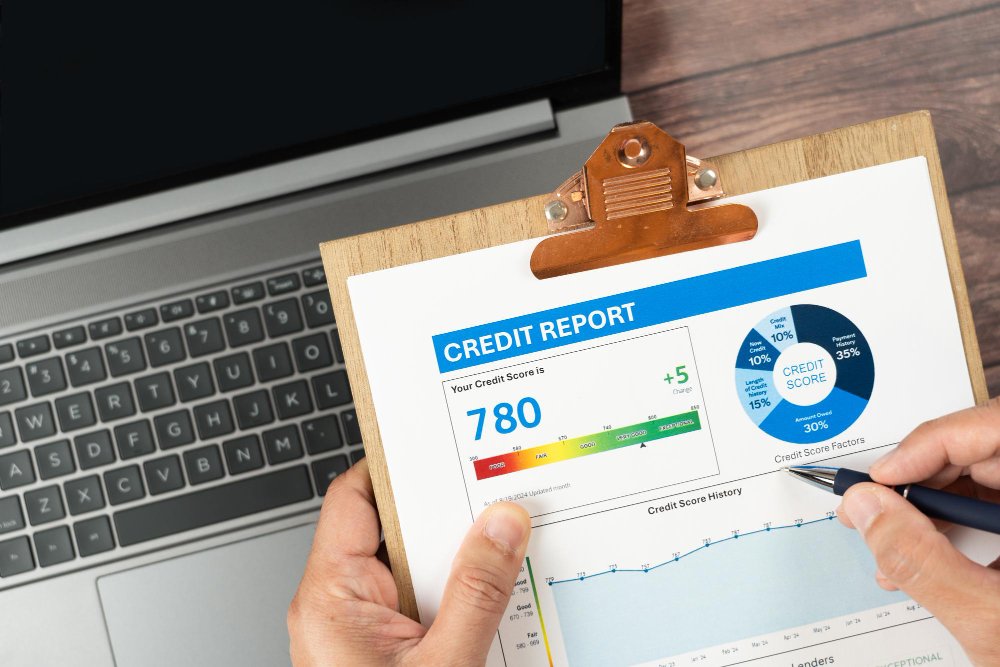
In a risk-conscious financial system, credit ratings play a central role in shaping lending decisions. The extent to which credit ratings affect business loan approvals is significant, influencing everything from eligibility to interest rates and credit limits.
For companies aiming to grow and secure institutional funding, understanding and actively managing this impact is essential. With the right preparation and strategic support from experts like AEBITDA Corporate Advisors, businesses can turn credit ratings into a powerful tool for financial success.
Image Reference: Freepik
Disclaimer: All trademarks, logos, and brand names are the property of their respective owners. All company, product, and service names used in this website are for identification purposes only. Use of these names, trademarks, and brands does not imply endorsement.