

Techno Economic Viability: Where Feasibility Meets Financial Reality
In the lifecycle of any project, ambition often arrives before validation. Ideas are conceptualized, capital is envisioned, and execution begins sometimes without a structured understanding of whether the project can truly sustain itself. This is where techno economic viability becomes indispensable.
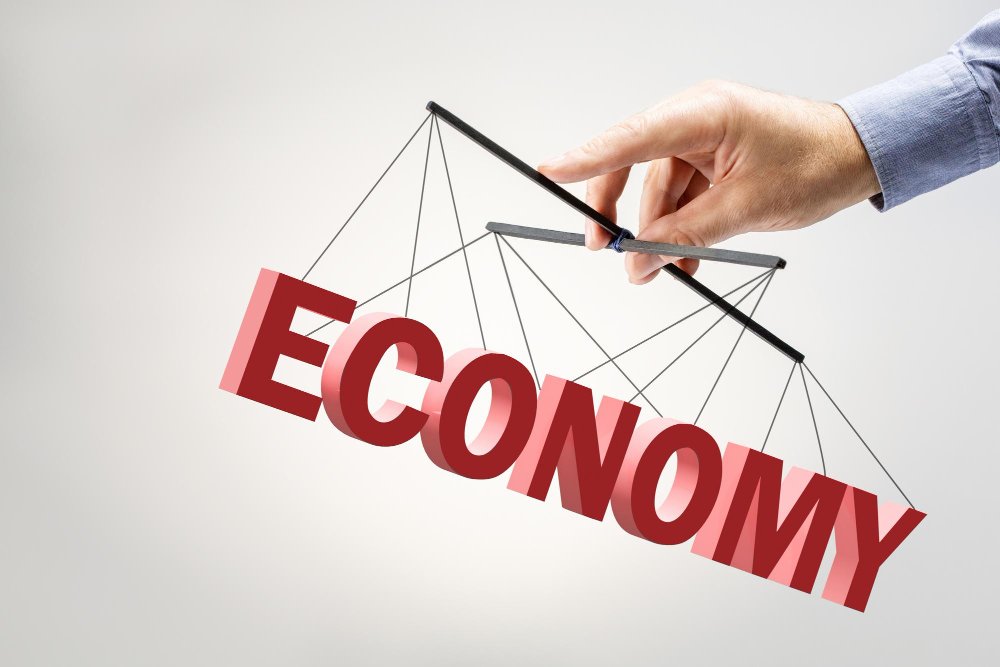
At its core, techno economic viability is the process of evaluating whether a proposed or ongoing project is both technically sound and economically feasible. It bridges the gap between what can be built and what should be built, ensuring that decisions are not driven by optimism alone, but by structured analysis.
Understanding Techno Economic Viability Beyond Basics
Many businesses assess projects either from a technical lens or a financial perspective. However, real-world outcomes depend on the intersection of both.
Techno economic viability integrates:
- Technical feasibility (can the project function effectively?)
- Economic feasibility (can the project generate sustainable returns?)
This dual-layered evaluation ensures that a project is not just operationally possible, but also financially justified.
In essence, techno economic viability transforms assumptions into measurable insights.
Why Techno Economic Viability Matters in Modern Projects
In today’s capital-sensitive environment, limited resources and closely monitored margins prevail. A technically strong project can still fail if it is not economically viable. Flawed technical execution can also lead to the failure of a financially attractive project.
This is why techno economic viability plays a critical role in decision-making.
Businesses rely on techno economic viability to:
- Validate investment decisions before capital commitment
- Identify potential risks early in the project lifecycle
- Optimize resource allocation
- Improve investor and lender confidence
- Ensure long-term sustainability of projects
Without techno economic viability, projects risk becoming financially unviable despite strong conceptual foundations.
Key Components of Techno Economic Viability
The strength of economic viability lies in its structured approach. It evaluates multiple dimensions of a project to create a comprehensive feasibility framework.
- Technical Assessment
This involves analyzing whether the proposed technology, processes, and infrastructure can deliver the intended outcomes efficiently and reliably.
- Cost Analysis
A detailed breakdown of capital expenditure (CAPEX) and operational expenditure (OPEX) to understand the financial commitment required.
- Revenue Projections
Estimating future income streams based on market demand, pricing strategies, and operational capacity.
- Financial Metrics
Evaluating indicators such as profitability, payback period, and return on investment to measure economic feasibility.
- Risk Evaluation
Identifying technical, financial, and market risks that could impact project performance.
Each of these elements, when combined, forms a robust techno economic viability assessment that guides informed decision-making.
The Role of Techno Economic Viability in Ongoing Projects
While often associated with new projects, techno economic viability is equally important for ongoing operations.
Market conditions evolve, costs fluctuate, and technologies become outdated. A project that was viable at inception may require reassessment.
Applying economic viability to existing projects helps businesses:
- Re-evaluate operational efficiency
- Identify cost optimization opportunities
- Decide whether to scale, modify, or exit the project
- Align operations with current market realities
This continuous evaluation ensures that projects remain relevant and financially sustainable.
From Analysis to Strategic Insight
The real value of techno economic viability lies not just in analysis, but in the insights it generates.
It answers critical questions:
- Is the project worth pursuing?
- Can it sustain itself financially over time?
- What adjustments are needed to improve outcomes?
By addressing these questions, techno economic viability transforms feasibility studies into strategic tools.
Common Challenges in Techno Economic Viability Assessment
Despite its importance, conducting an accurate economic viability assessment can be complex.
Challenges include:
- Overestimating demand or revenue potential
- Underestimating costs or operational challenges
- Ignoring external factors such as regulatory changes or market shifts
- Lack of reliable data for analysis
Addressing these challenges requires a structured, data-driven approach to economic viability.
The Advisory Perspective: A Structured Lens
Evaluating techno economic viability requires more than surface-level analysis. It requires a profound understanding of technical frameworks, financial structures, and how operational capability and capital efficiency work together.
When approached in isolation, this evaluation rarely proves effective in practice. It benefits from a structured, advisory-driven lens one that connects technical assumptions with financial realities in a coherent manner an approach often associated with institutions like AEBITDA Corporate Advisors, where financial structuring and feasibility are viewed as interconnected, not independent.
A well-developed techno economic viability assessment typically focuses on:
- Aligning technical capabilities with realistic financial outcomes
- Building data-backed projections grounded in market conditions
- Identifying potential risks before they translate into performance gaps
- Supporting decisions through structured financial modelling and scenario analysis
This approach ensures that techno economic viability is not treated as a static report, but as a dynamic decision-making tool guiding projects from concept to execution.
Frequently Asked Questions
What is techno economic viability?
Techno economic viability is the process of assessing whether a project is technically feasible and financially sustainable.
What factors are analyzed in techno economic viability?
It includes technical feasibility, cost estimation, revenue projections, financial returns, and risk assessment.
Is techno economic viability only for new projects?
No, techno economic viability is also used to evaluate and improve the performance of ongoing projects.
Final Advisory

Techno economic viability is not just a preliminary step in project planning it is a critical framework that shapes the direction and durability of investment decisions. By evaluating both technical soundness and economic feasibility, it creates a balanced perspective between ambition and practicality.
In a landscape where uncertainty is constant and capital efficiency is paramount, techno economic viability offers clarity. It allows businesses to move forward with informed conviction ensuring that ideas are not only executable, but also economically sustainable.
Seen through a structured advisory perspective, as reflected in the methodologies followed by AEBITDA, economic viability becomes more than evaluation it becomes a foundation for resilient and future-ready decision-making.
Image Reference: Freepik
Disclaimer: All trademarks, logos, and brand names are the property of their respective owners. All company, product, and service names used in this website are for identification purposes only. Use of these names, trademarks, and brands does not imply endorsement.